A fully automated villa in JVT, measured for a year
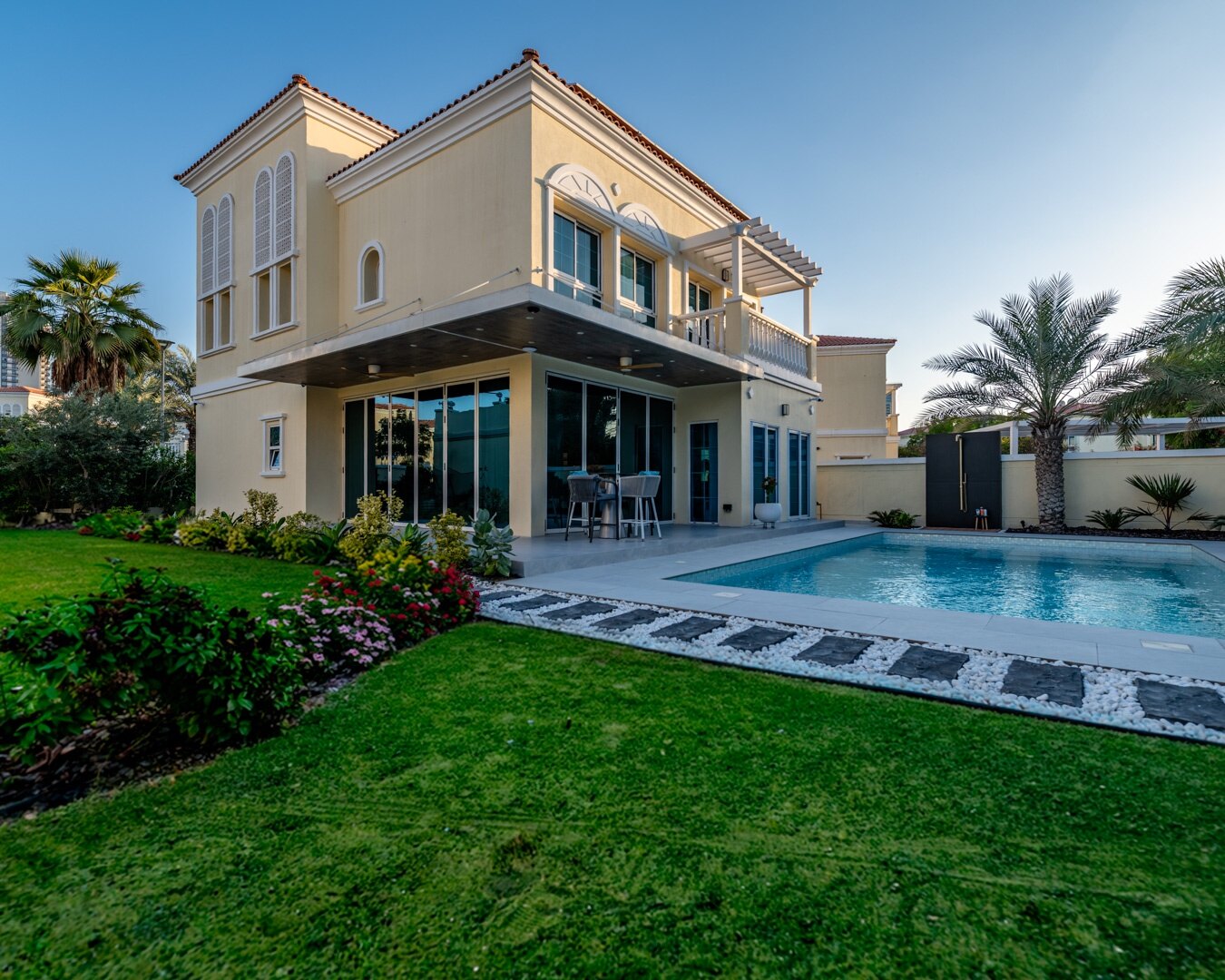
A two storey family villa in Jumeirah Village Triangle. We automated it in 2024, added solar in 2025, and have been measuring it ever since. Everything below comes from those measurements.
What the bills show
The unadjusted numbers are in the source line below, so anyone who wants to check our maths can rebuild every step from the bills and the inverter record.
One more thing, said plainly. This villa's fabric is ordinary; it was not built tight, and that is the hard mode for any energy system. These figures are the floor, not the ceiling.
Fewer units bought by the original house, adjusted for everything added after the array. What it protects the owner from: a bill that grows with the house.
What the loads added after the array draw between them: pool pumps around the clock, the rack, three dehumidifiers, the yard lights. The itemised schedule sits in the project record; if the meters say otherwise, this number changes.
And the house knows what the roof is worth. The system prices each solar unit at the tariff slab it displaces, so the array's value reads in dirhams rather than kilowatt hours: AED 960 to 1,200 a month off the bill in the strong months, as the system's tariff engine prices it, and 22.3 MWh generated since the panels went live.
Ninety automation routines, and what they do
Every one of the 90 running automations was read from its stored configuration for this record, not from its name. This is what they do, by domain.
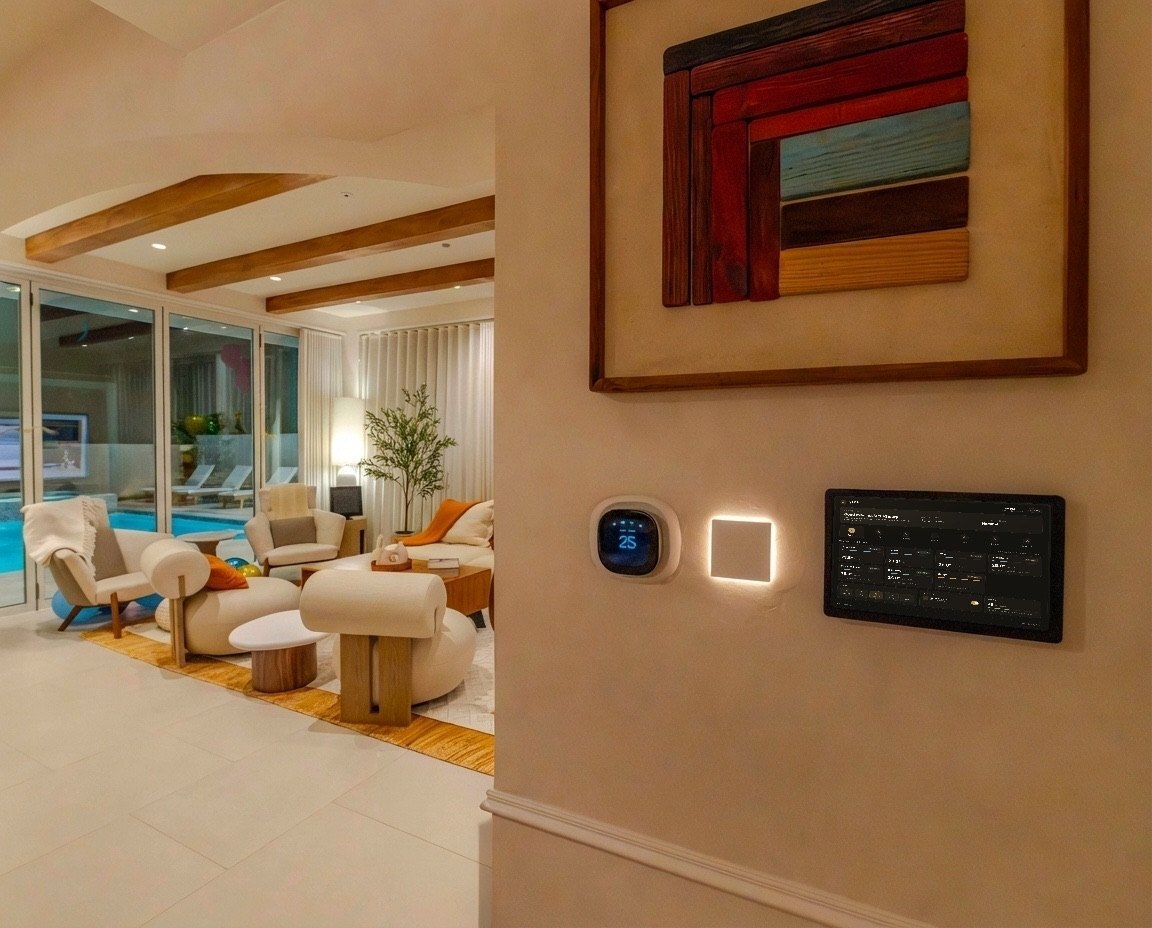
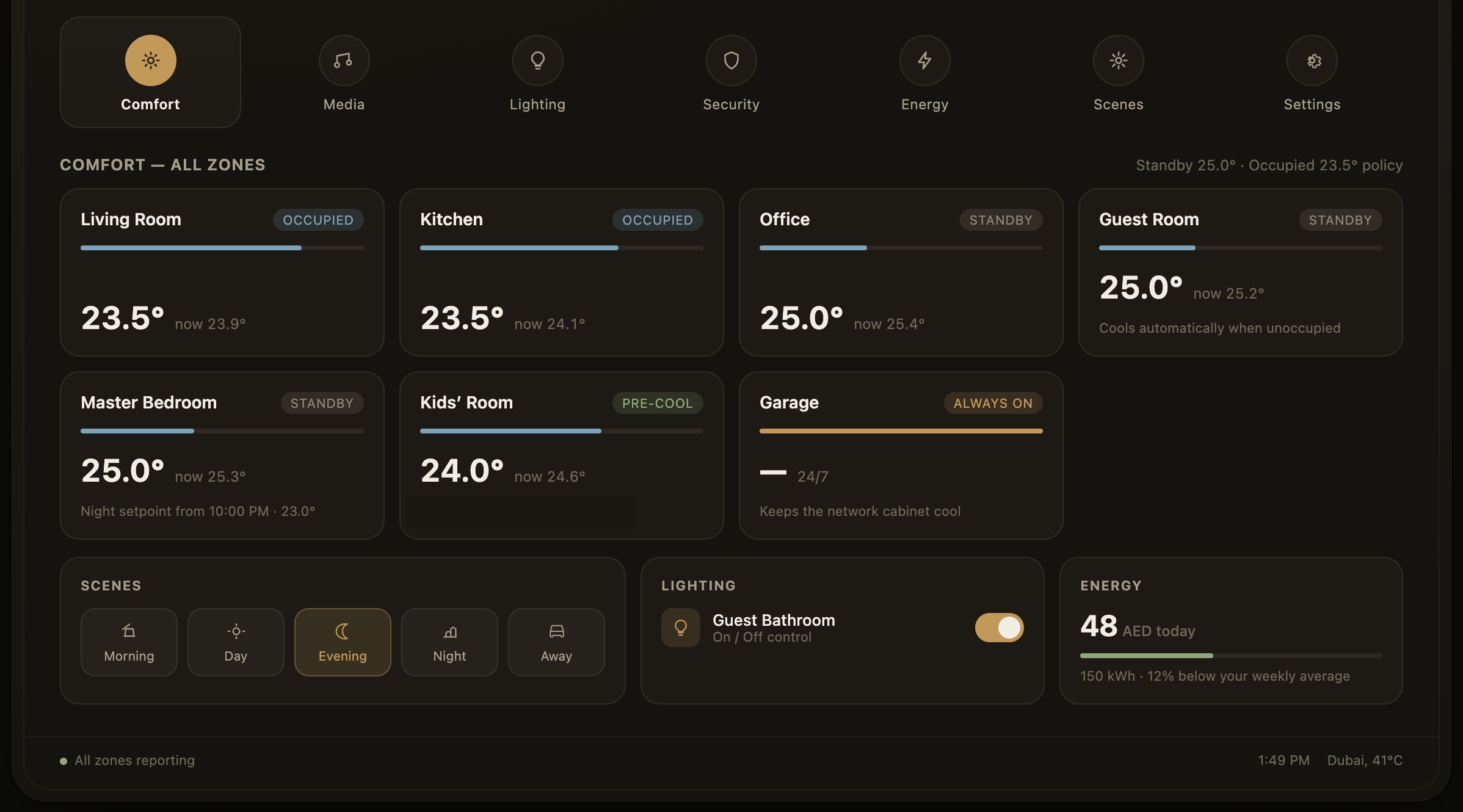
Six rooms held at five temperatures and no others: 23.5 occupied, 25 empty after a fifteen minute wait. The house re-states its intent every fifteen to thirty minutes, so a thermostat's factory schedule can never quietly take a room back. Override it by hand twice and it concedes for an hour.
Three dehumidifiers hold the house just under 50% around the clock; a full tank stops the unit before it overflows and says which room needs emptying. The purifier goes to full power on fine dust and boosts through the cooking hours.
The bathrooms have no switch in practice: a door contact and a presence check bring them up, a timer takes them down. The staircase drops its step lights three minutes after the last movement. The perimeter lights itself at sunset and off at ten. A bulb that loses power returns warm, not bright white.
Curtains open with the morning and close at sunset, and a heat rule closes the living room against direct sun above 34 degrees when nobody is in it. Every morning at seven the house checks the sensors this depends on and reports any that have died.
Vibration sensors on the treadmill know the moment a workout starts. The garage cooling comes on and the master bathroom water heater begins a fifteen minute cycle, so the run ends in a cool room with a hot shower waiting. Nothing to press.
Ring the bell and a snapshot lands on both phones. A vision model reads the frame and writes a one line description of who is standing there, and the visit is logged to the family calendar, so every caller leaves a record. On the wall dashboards the person at the gate appears with an unlock control beside them; one tap and they are in.
A child's room heating past 30 degrees while occupied reaches both parents' phones within fifteen minutes. Paired routines watch rooms believed empty and rooms known occupied, so the gap between them is covered. Alerts are tiered; known faults are logged, never pushed.
Access points and the router restart themselves on evidence from multiple probes, and escalate to a person only when the automatic fix did not work.
After any restart the house waits for all six thermostats, corrects any that came back wrong against the five allowed values, then checks again ten minutes later.
The electricity meter checks itself hourly and undoes false jumps caused by a restart, so the bill estimate stays honest.
How the sprinklers keep pigeons off the grass
The sequence is deliberate: zone two fires first, then zone one, so the birds are moved off the lawn rather than chased around it. If nothing is detected, nothing runs; the same cameras that fire the valves are the reason they stay shut.
The result is easy to see. The grass now sees almost no pigeons, and the smaller birds have come back to feed on it.
Because water is metered per use case, the owner can see exactly what the habit draws, roughly AED 40 to 90 a month depending on the season's pigeons, and tune the response instead of guessing at it.
What is actually in this house
389 installed devices, counted and classified rather than rounded up. Nothing below is representative; it is what is on the walls and in the racks.registry 973 entries · 423 network clients and 161 software entries excluded · method in the project record
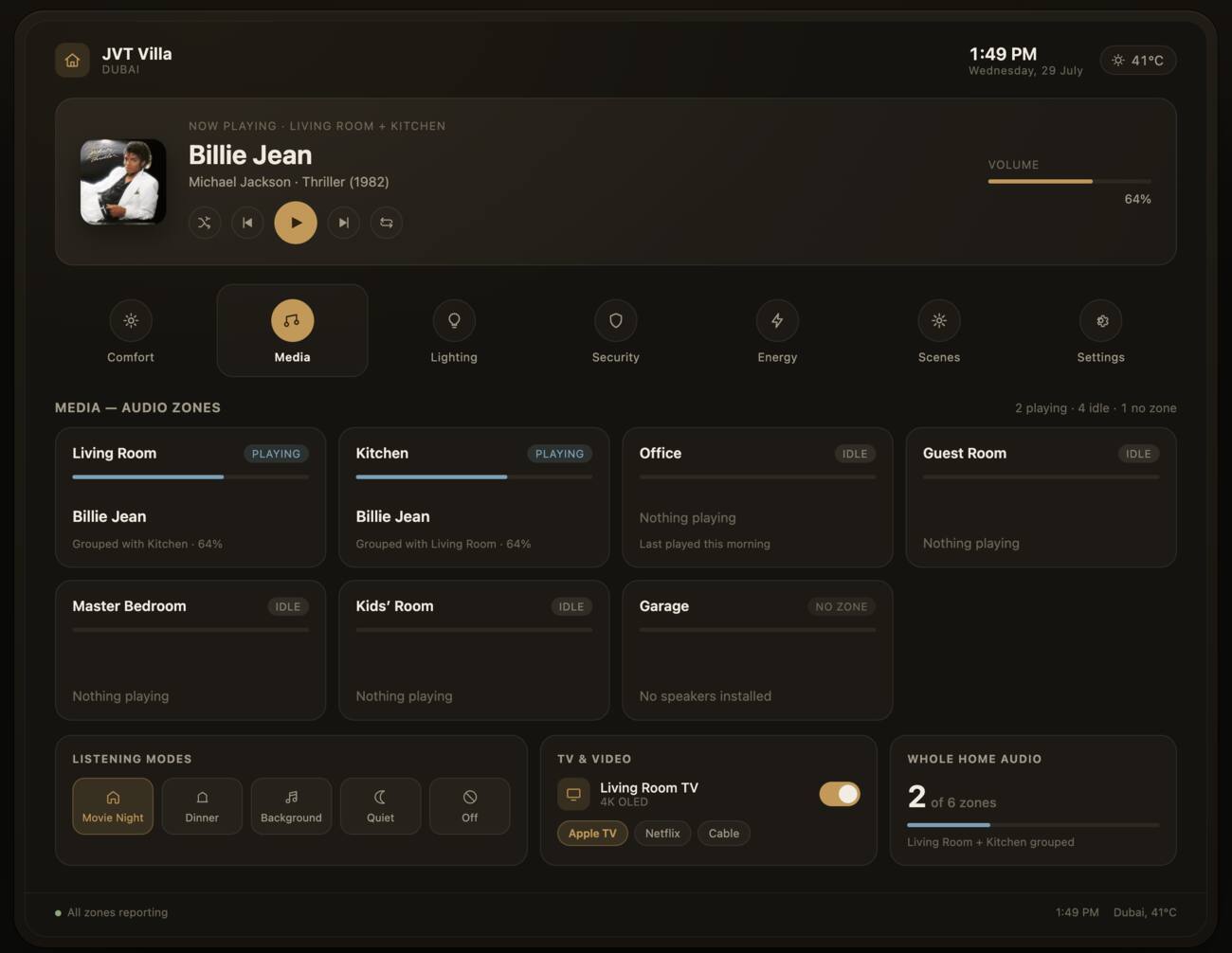
iPads, wall mounted, running Haus Logic OS. The same view on the wall, on the phone, in the garden.
Ubiquiti UniFi router, switching and access points; a 10 gigabit backbone serving the office, core switching and selected access points.
26 cameras recording locally, facial recognition and motion detection, storage in the house rather than in an account.
Zennio KNX power supplies feed the bus; the wired layer keeps working when the internet does not. Power itself is protected twice: UniFi redundant supplies stand behind the core switches, and a separate UPS carries the cameras and monitoring for three hours if the mains fail, so the premises never go unwatched.
18.5 kWp array, reporting generation, export and self-consumption from its own inverter.
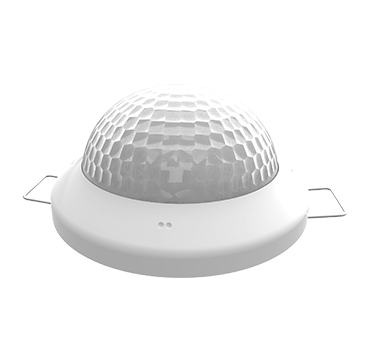
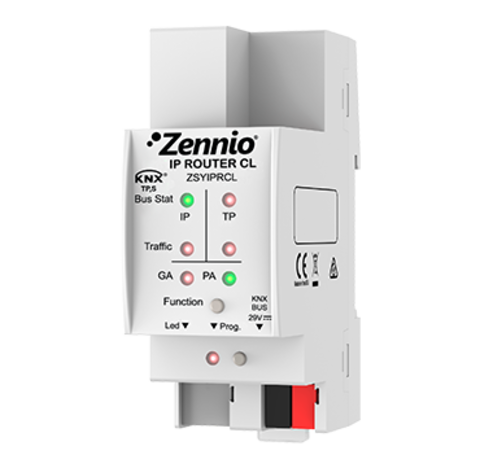
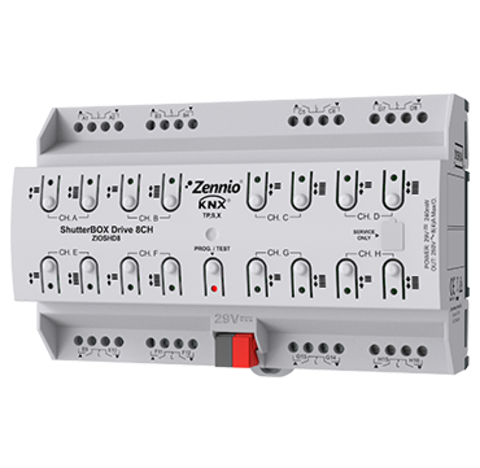
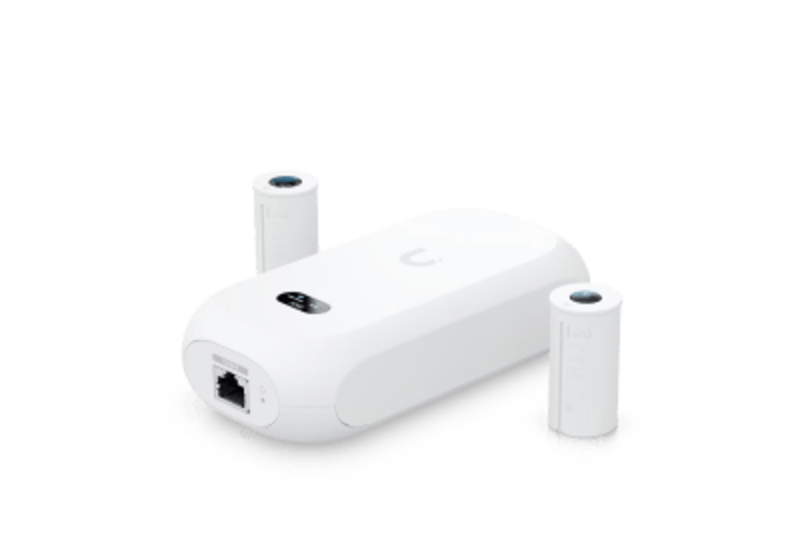
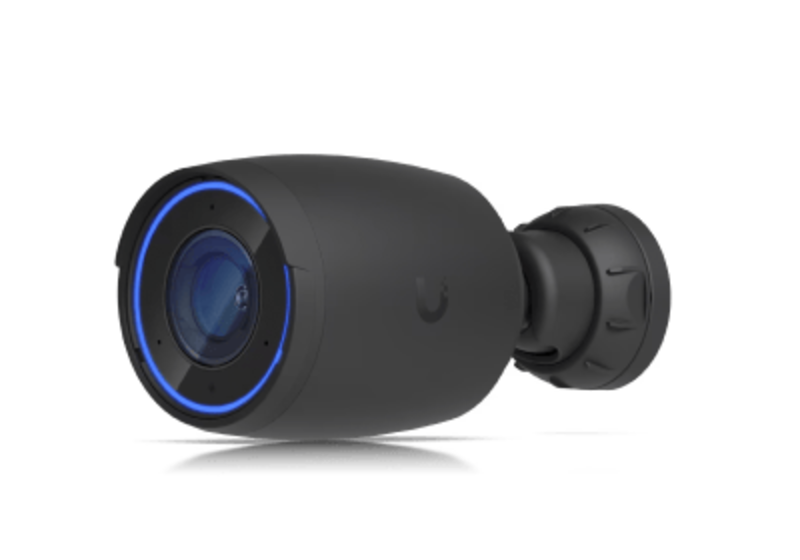
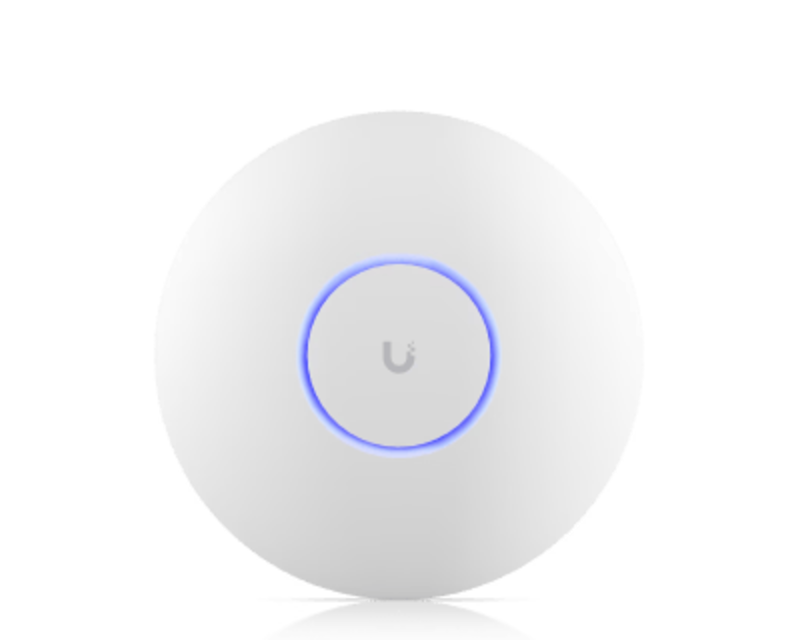
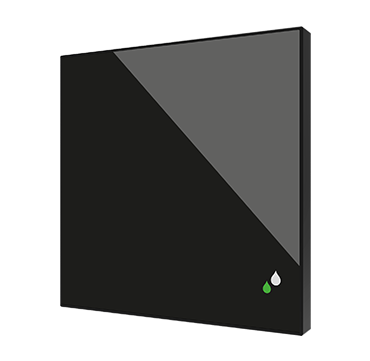
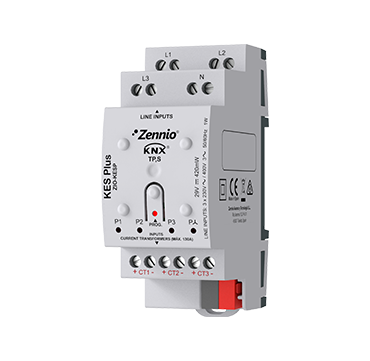
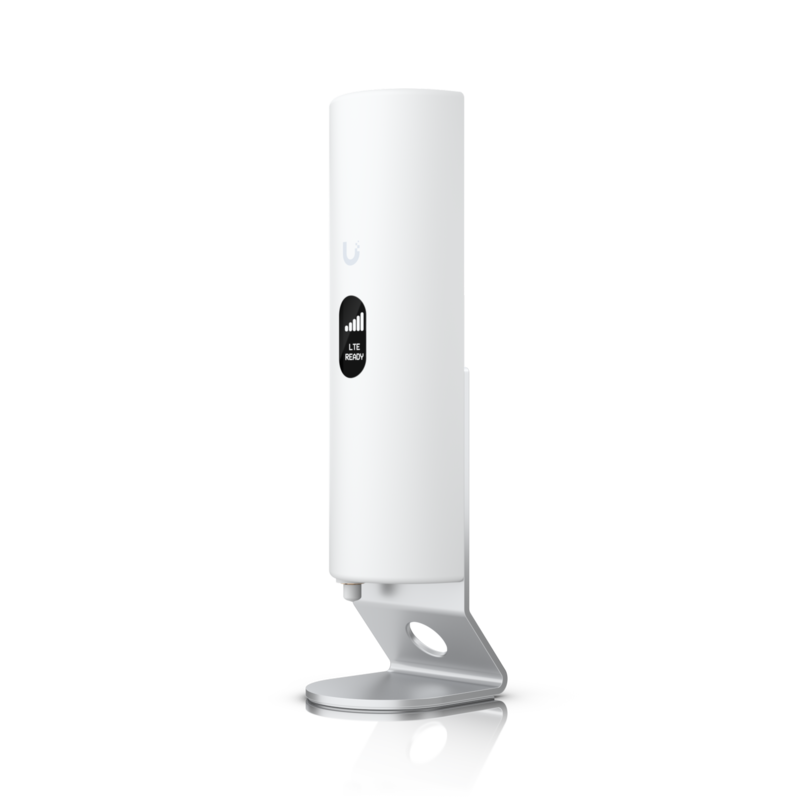
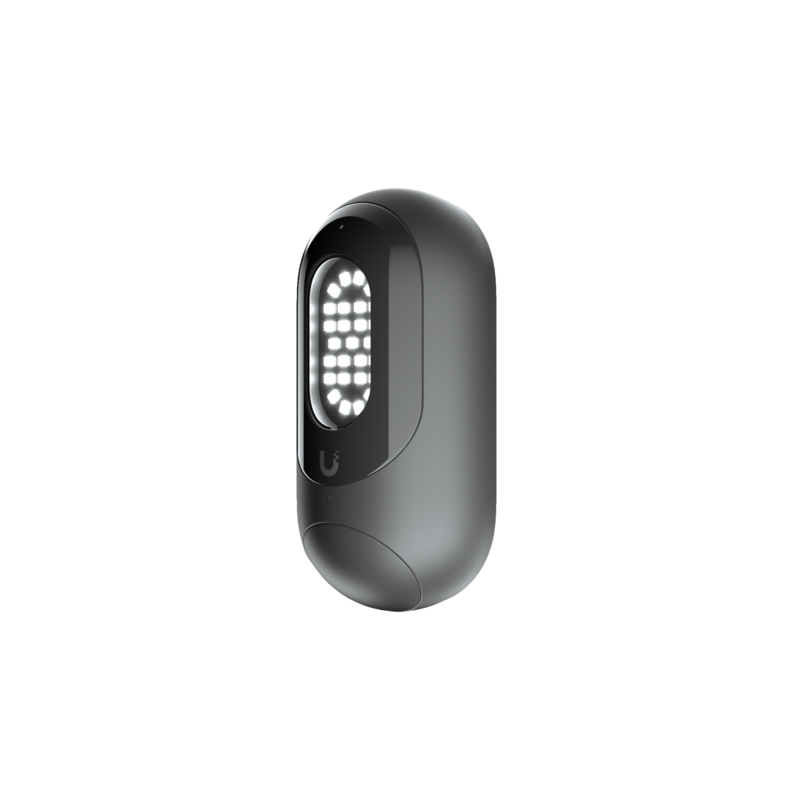
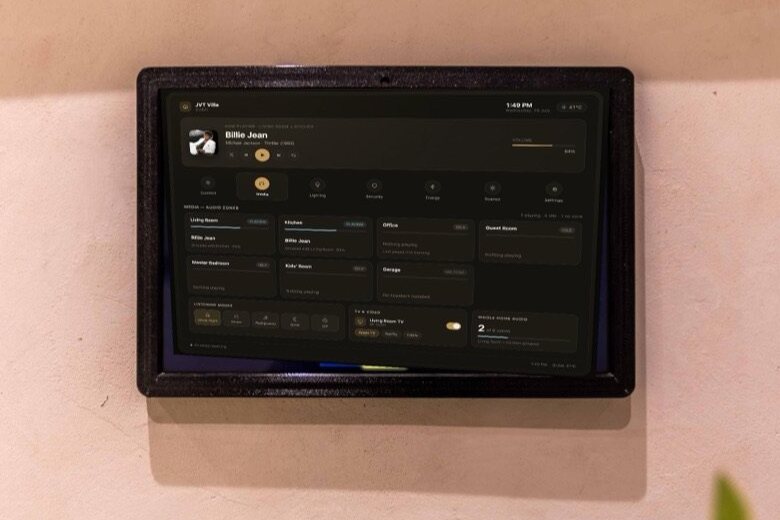
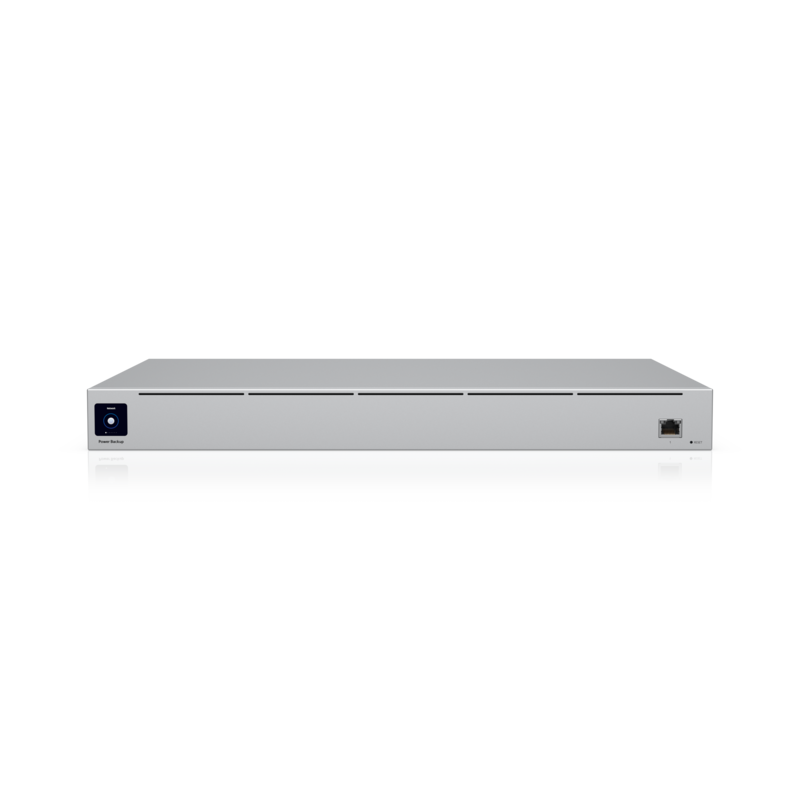
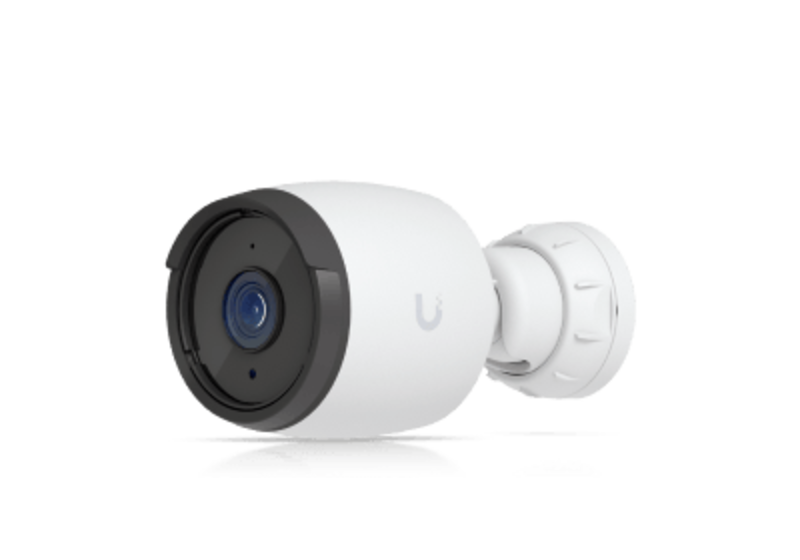
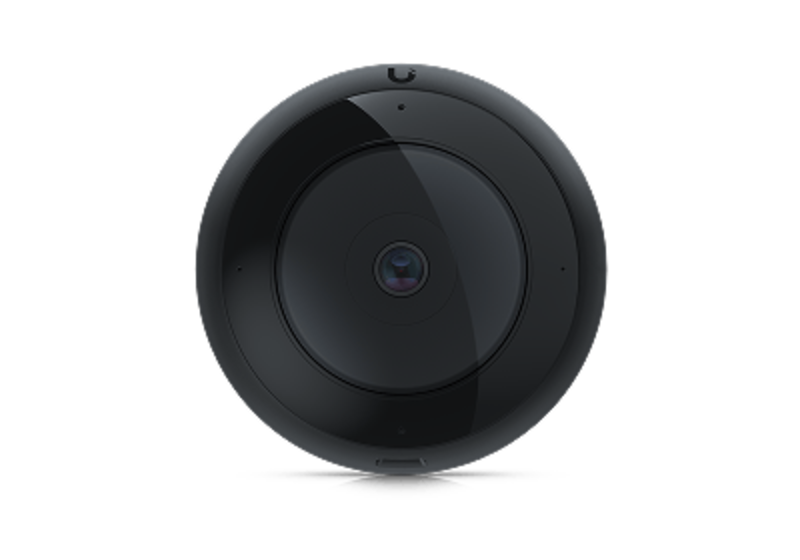
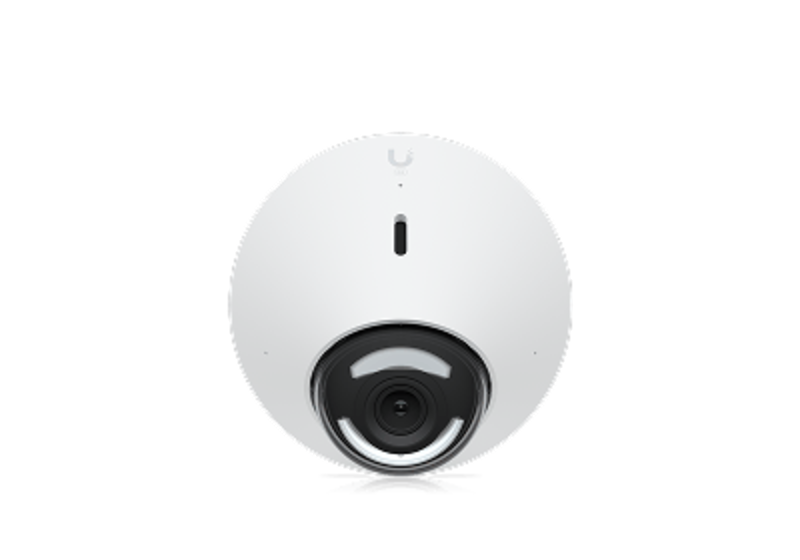
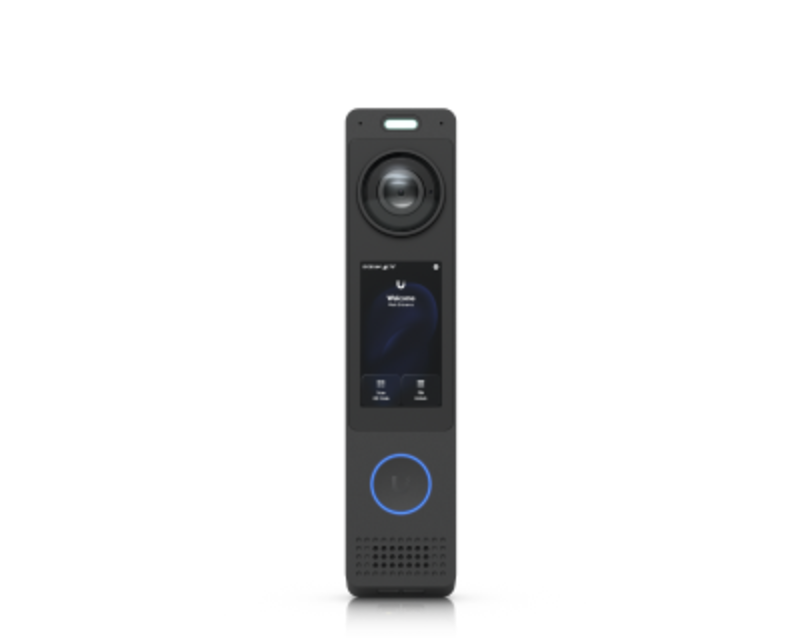
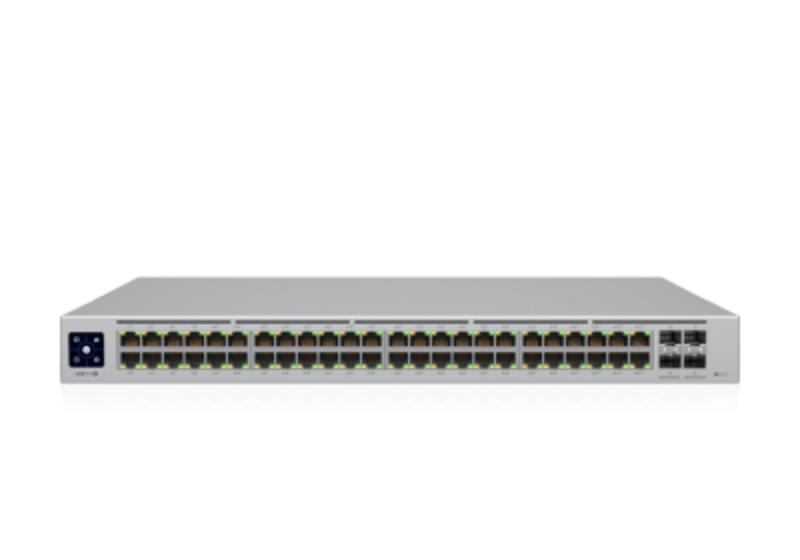
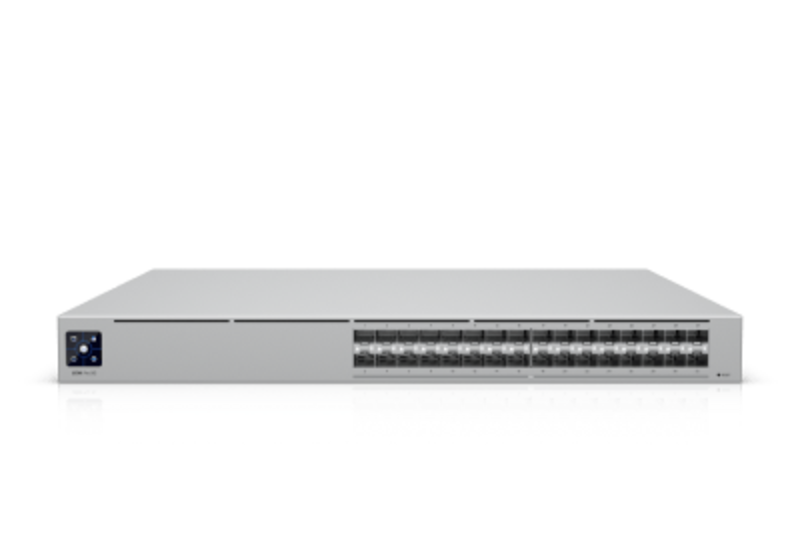
Also in the rack and on the walls: NVR Pro holding the 26 camera archive locally, UniFi cloud backup for configuration, an LTE backup path that keeps alerts flowing if the fibre goes, a UP Floodlight on the dark side of the plot, U7 Pro Wall and U6 Extender access points, and the wall iPads running Haus Logic OS.
The measurements are how the house gets better
Instrumentation here is not a dashboard for its own sake. Every reading feeds the next round of mechanical work, and every change is judged by the same numbers afterwards.
When the garage unit was serviced, a fourteen day baseline was captured first. Before: the room reached its target in 2 of 268 readings. After: recovery at 3.59 degrees an hour while it was 43.8 outside, and drift of only 0.25 degrees an hour through peak sun. A service stopped being an invoice and became a measured result.
Compressor hours per cooling degree day is the villa's standing metric: it strips the weather out, so a change to ducting, ventilation or setpoints shows its real effect. The roof fan trial cut it 8.7% and the verdict is still held open, because five days a side is not yet proof.
Per-unit runtime shows which machine works hardest and which room loses its cooling fastest, which is where insulation, shading and duct corrections go first. The next dirham of upgrade spend is pointed by data, not by guesswork.
The inverter's own generation, export and self-consumption records, against the utility's bills, are what sized the array and what will size the next step, whether that is storage, shading or fabric.
What gets measured gets improved
The measurements are not just a record. Because everything is measured, the house is constantly learning, and its owners make decisions the way an engineer would rather than the way a brochure suggests.
Whether the next dirham goes to shading, insulation, storage or another fan bank is decided by the runtime and generation record, not by a salesman's instinct. The roof ventilation trial is exactly this loop running in public.
A service is booked when the numbers drift, and judged by whether they come back. The garage unit's before and after is what every repair in this house looks like.
Where equipment lives today is not where it was first installed. Sensors have moved, ventilation was added, dehumidifiers found the rooms that actually need them: the original drawings were a hypothesis, and the data corrected them.
The same approach works in any villa
The device count changes with the size of the house; the approach does not. We set a house up around how the family actually lives, then keep measuring until the numbers show it works.
Arrange a private consultation and site visit