The KNX Association published the KNX Journal 2026 on March 8, framed around an anniversary the industry has been working toward for three and a half decades. #KNXis35 marks thirty-five years since a small group of European electrical manufacturers, including Siemens, Gira, Jung, Merten and Berker, founded the European Installation Bus Association in 1990. Most of the coverage of the journal so far has read like a victory lap. Here is the version that matters if you are about to wire a villa in Dubai.
The line from 1990 to 2026 is unusually unbroken
In an industry where smart home platforms come and go on a five-year cycle, the KNX story is a quiet outlier. The first basic course teaching the EIB standard was held at Siemens in Regensburg in 1991. The first version of ETS, the engineering tool software, arrived in 1993. The Konnex Association formed in 1999 and renamed itself the KNX Association. The KNX specification was published in 2001 with twisted pair cabling as its transmission medium, became the European standard in 2003 and the global standard in 2006. Each step built on the previous one; almost nothing was discarded. A KNX device shipped in 2001 still talks to a KNX device shipped today.
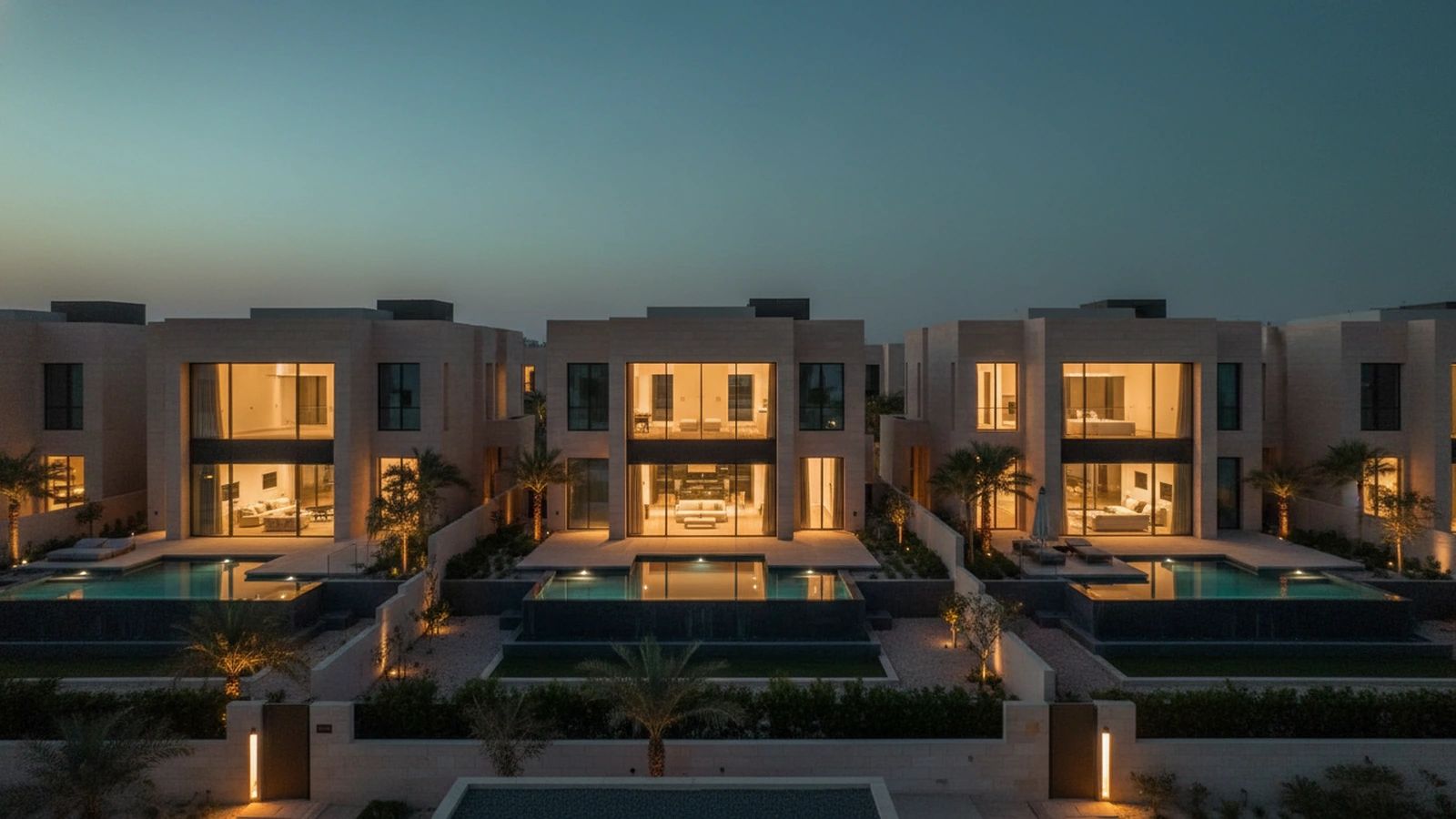
That backwards compatibility is not a marketing claim. It is the reason a Dubai villa wired with KNX in 2014 can have its lighting controller swapped in 2026 without rewiring a room or rebuilding a visualisation. It is the reason an integrator can pull an ETS project from twelve years ago, open it in ETS6.4, and find the device and group address structure still legible. There is no comparable story among the wireless-first smart home platforms in our market; the cycle there is replacement, not continuity.
What the 2026 edition is actually saying
Three threads run through the journal. The first is the celebration of the ecosystem, which deserves its moment. The second is ETS6.4, released in February 2026, which is the working tool every Dubai integrator now uses on the desk. The third, less obvious, is the framing of KNX as a sustainability and open-standards play for the buildings of the next ten years.
The ETS6.4 thread is worth a small focus because it is the part that touches daily site work. Multi-linking lets an integrator connect several group addresses to several communication objects in one step, by selecting them and holding the Alt key; what used to take twenty minutes on a large project takes twenty seconds. Auto Backup to Archive creates a new project version every time the integrator closes the file. Download via serial number can be set as the default behavior. None of these are headline features. All of them shave hours off the commissioning of a villa and reduce the chance of a bad backup ending a Sunday afternoon.
The Dubai villa angle
A villa owner does not need to read the KNX Journal cover to cover. The questions worth lifting out of it are practical.
The first is, what does thirty-five years of continuity buy me as a homeowner. The honest answer is that it buys you the right to expect your system to still work in 2036. The KNX bus is a wired layer. The integrator who programmed it is a contact in your phone. The devices on the bus are interchangeable across hundreds of manufacturers. If your integrator leaves the country, another KNX-certified integrator can open your project file and continue. That is not a guarantee any other smart home platform offers in our market today.
The second is, what does ETS6.4 mean for the projects under construction now. Faster commissioning, fewer manual mistakes, cleaner project structure. For a villa where the lighting alone might involve several hundred group addresses, the multi-linking improvement is the difference between a two-day commissioning visit and a one-day visit. The villa owner does not see the difference directly; what they see is a system that comes online faster and with fewer post-handover snags. That is the integrator's productivity gain becoming the owner's quality gain.
The third is, what does the open-standard framing mean for the buildings of the next decade. KNX is not a single brand. The same bus carries devices from ABB, Gira, JUNG, MDT, Theben, Zennio, Siemens and many others. A villa designed today can mix brands by function: a sensor brand for presence, a switch actuator brand for reliability, a touch panel brand for the homeowner's aesthetic. Other smart home platforms in our market default to a single-vendor stack; KNX defaults to the opposite. The journal's open-standard framing is not an ideology; it is the reason a villa owner has options on day one and on day three thousand.
What we would actually do with this
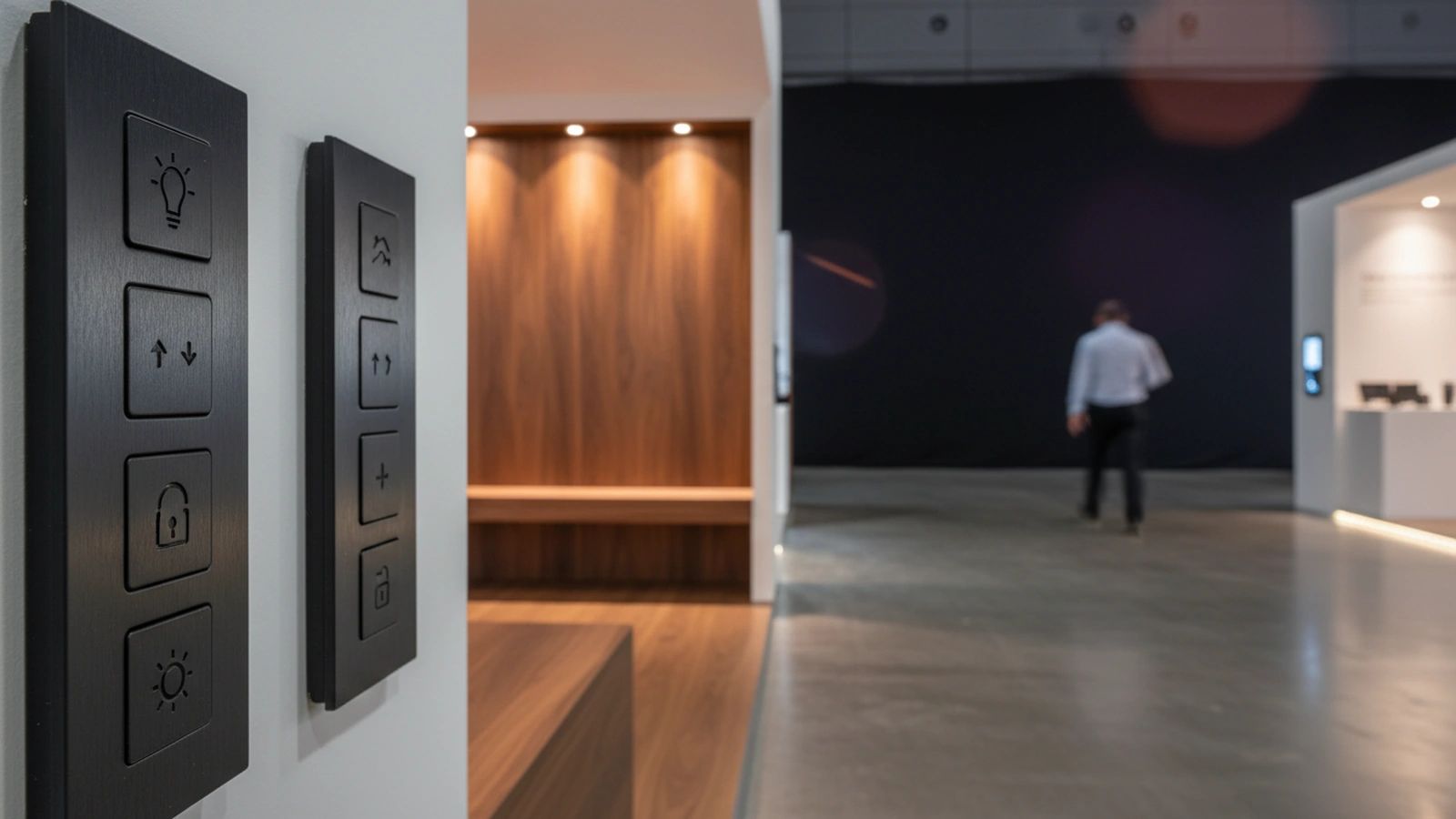
If you are eight to ten weeks out from a Dubai villa handover, the journal does not change the design brief, but it changes the questions you should ask your integrator. Has the project been programmed in ETS6.4 or an older version. Is the project backed up to the integrator's archive on every close. Are device serial numbers being captured so downloads can be done via serial in the future. Is the visualisation layer, the touch panels, the wall keypads, the 1Home Server or equivalent, sitting cleanly on top of a bus that you would still be able to read if a different integrator opened it. These are not exotic questions. They are the questions that have been the right questions in KNX for the last fifteen years; the 2026 edition just makes them louder.
If you are not yet at the wiring stage and you are still choosing between a wireless-first smart home platform and KNX, the longest version of the answer is in the journal. The shortest version is that thirty-five years of continuity is doing the work in your favor before any device is mounted on a wall. That is the premise our KNX system design and installation service is built on.